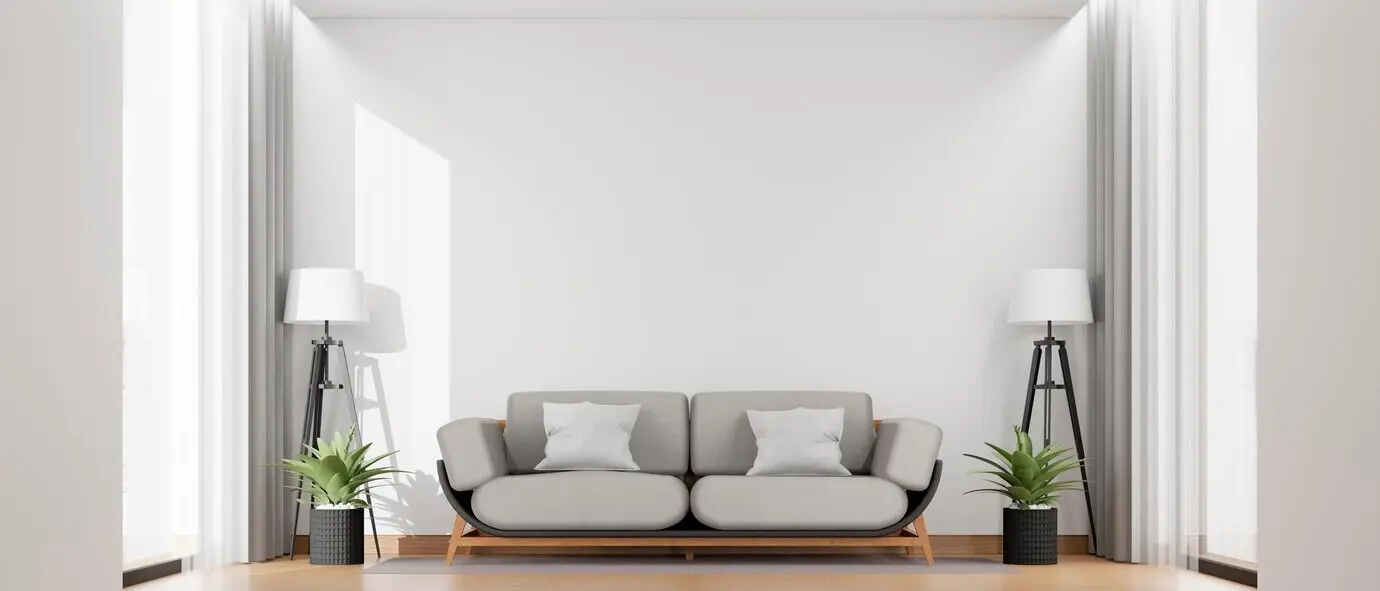
Quiet Luxury, Reimagined at Home

Today we explore Quiet-Luxury Home Makeovers, translating understatement into rooms that feel calm, tactile, and deeply personal. Instead of showy statements, think considerate edits, honest materials, and details you notice at arm’s length. From layered lighting to curated textures, we will map practical steps that elevate comfort, longevity, and beauty. Along the way, we share stories, supplier tips, and small rituals that make mornings smoother and evenings softer, inviting you to reflect, comment, and shape the conversation with your own experiences.

Foundations of Discreet Elegance

Quiet luxury begins with intention: fewer pieces, better chosen, arranged to breathe. Imagine replacing visual noise with negative space that frames cherished objects and meaningful light. We discuss editing, proportion, and alignment through repeatable cues, using simple grids and consistent materials. Share a corner of your home that already feels calm, and tell us why it works for you, so others can learn from your lived experience and successful, quietly persuasive choices.

Restraint That Feels Generous

Restraint does not mean scarcity; it means choosing what truly earns its presence. A generous room emerges when circulation is clear, sightlines are tidy, and each object serves comfort or memory. Try removing one piece each week, noticing what you miss and what you do not. Tell us which edit surprised you most, and how the space changed in mood and usefulness after that mindful subtraction.

Material Truth Over Logos

Quiet luxury favors authenticity over labels. Linen that creases softly, oak that warms with touch, and stone that carries mineral stories will outlast any trend. Choose finishes you want to feel every day, not just photograph. Run your hand across a honed countertop or wool rug and decide with your senses. Comment with your favorite material pairings, especially those that improved with age rather than deteriorated.

Longevity as the Real Indulgence

Investing in longevity is a gift to your future self. Quality hinges, solid joinery, repairable upholstery, and timeless forms reduce waste and anxiety. Consider cost per use, not sticker shock. A durable dining chair becomes family history, surviving spills, celebrations, and quiet breakfasts. Share brands or craftspeople who prioritize repairability, and describe one piece that has accompanied you through moves, proving worth far beyond its original purchase date.

Texture-Rich Materials That Whisper Quality

Texture carries emotion where color sometimes shouts. Layering matte and softly reflective surfaces creates depth without drama: plaster, unlacquered brass, brushed oak, bouclé, and washed linen invite the hand and rest the eye. Use contrast with intention, pairing rough with smooth to balance light. Tell us which tactile combinations made your space feel grounded, and where you sourced sustainable options that align with quiet, responsible living and thoughtful material stewardship.
Choose woods with character rather than heavy stain, allowing grain to read like topography. Stones with gentle movement, not loud veining, offer timeless ease. Consider travertine, soapstone, or limestone for calming presence. Seal responsibly, embrace patina, and avoid overly glossy finishes that feel slippery to the eye. Share maintenance routines that kept your surfaces beautiful without fuss, and what you learned about matching species to room use and natural light patterns.
Linen, wool, cotton sateen, and cashmere blends lend quiet luxury through temperature regulation and beautiful drape. A heavy linen curtain softens daylight, while a dense wool rug lowers echo and anchors conversation. Mix weaves for depth, and prewash fabrics where appropriate to relax stiffness. Tell us about your most comfortable textile upgrade, how it changed daily rituals, and which fabric care practices helped you maintain quality without anxiety or expensive, frequent cleaning routines.
Unlacquered brass develops a gentle patina that marks time gracefully, while bronze adds warm gravity to handles and lamps. Limewash or troweled plaster walls absorb light softly, eliminating glare. Avoid chrome overload; choose warmer metals or blackened steel for balance. Share success stories of mixing metal finishes across rooms, and explain how you coordinated sheen levels, from satin to matte, for a coherent, quiet, and tactile visual rhythm across adjoining spaces.

A Palette of Warm Neutrals with Depth

Start by sampling paint on all walls and at different heights, watching morning and evening changes. Pair paint with textile swatches and wood samples to judge undertones honestly. Add a muted color accent only where purpose calls for focus, not to impress. Share your favorite neutral that never reads flat, and explain how you tested it over days, including which companions made it glow rather than drift into dullness under varied daylight conditions.

Lighting Layers that Set the Mood

Ceiling lights for utility, sconces for intimacy, table lamps for quiet zones, and concealed strips for gentle halos under shelves or steps. Vary color temperatures thoughtfully, favoring warm, consistent sources in living areas. Diffusers and shades soften edges. Tell us the lamp that changed your nights, why it works from a seated eye level, and which dimmer or bulb brand provided dependable tone without flicker, glare, or distracting hum during still, reflective moments.

Windows, Sheers, and Daylight Choreography

Daylight should meander, not blast. Use sheers to soften, layered with heavier panels for night privacy. Avoid busy pelmets; keep hardware minimal. Clean glass regularly and paint reveals a warm neutral to bounce light. Share how rethinking your window treatments improved comfort, reduced energy use, or framed views with new kindness, and which fabric weights controlled brightness while keeping rooms feeling airy, expansive, and quietly luxurious throughout shifting seasons and changing weather conditions.

Space Planning for Calm Flow

Consider your path from door to sofa, from kettle to cup, from bedside to sunrise. Flow is luxury when it reduces micro-friction. Align furniture with architecture, not against it. Conceal clutter where it accumulates. Use scale wisely, honoring legroom and conversation distance. Tell us where bottlenecks occur in your home, and we will share gentle layout techniques that dissolve them without costly demolition or disruptive, exhausting renovation timelines and budgets.

Entry to Living: A Gentle Sequence

A calm arrival sets tone for the entire home. Provide a small tray for keys, a discreet hook for bags, and a bench that fits shoes beneath. Use a low, warm lamp to welcome after dusk. Guide sightlines toward something restful: a branch, a textile, or art. Share your entry ritual and how small choreography changes softened daily transitions from outside noise to interior, replenishing quiet that actually lasts until bedtime.

Storage That Disappears into Architecture

Quiet spaces hide necessities elegantly. Choose full-height cabinetry with integrated pulls, wall color continuity, and minimal reveals. Use deep drawers where stacking fails. Label invisibly. Build habits: return, reset, repeat. Tell us your trick for invisibly storing remotes, chargers, and paperwork while keeping access effortless, and how consolidating storage calmed visual clutter so surfaces finally served books, flowers, and conversation rather than endless piles of restless, distracting everyday stuff.

Sound, Silence, and Soft Edges

Acoustic peace is part of quiet luxury. Layer rugs, curtains, books, and upholstered panels to absorb echo. Choose soft-closing hardware and felt pads. Regulate door sweeps. Add a textile wall hanging where reverberation lingers. Share how you reduced noise in an open-plan room, and whether rearranging seating or introducing a heavier drape improved conversation clarity, concentration, and evening wind-down without expensive construction or complicated, intrusive acoustic treatments you do not need.

Art, Objects, and the Poetics of Less

Edit shelves with empathy. Fewer, better pieces invite attention and care. Place art at eye level and leave generous margins around it. Display objects with stories: travel mementos, family ceramics, or a single hand-thrown vase. Let negative space do emotional work. Tell us which piece you kept front and center, and why its presence supports calm rather than demanding applause every time you walk through the room quietly.

Collecting with Personal Provenance

Build slowly. Quiet collections grow through curiosity, not urgency. Visit local galleries, open studios, and graduating shows. Trade prints with friends. Frame with museum glass only when necessary. Rotate pieces seasonally to renew attention. Share a discovery story: the artist you met, the work that moved you, and how living with it changed breakfast light, reading posture, or conversation tone, reminding everyone that meaning matures through daily companionship, not instant spectacle or noise.

Shelves Styled with Negative Space

Give objects room to breathe. Group by material, tone, or purpose, then leave an empty span to rest the eye. Use risers to vary heights subtly, avoiding cluttered horizontals. A single stack of books, one bowl, one branch, enough. Post a before-and-after of one shelf you edited today, explain the decisions you made, and describe how the new cadence changed your mood each time you walk past that quiet, newly composed moment.

Budget-Savvy Paths to a Refined Result

Elegance is not synonymous with overspending. Spend where touch, longevity, and daily use intersect, and save where fashion churns. Refinish, reupholster, and source vintage. Plan purchases with patience and purpose. Share your smartest investment and your most effective save, and we will compile reader-tested strategies to help everyone create quieter, longer-lasting rooms without sacrificing integrity, materials, or the restorative calm that thoughtful choices deliver consistently.

Living Room Reset

Start by rebalancing seating around conversation rather than screens. Introduce a generously scaled rug to unify pieces, and swap shiny surfaces for matte. Add a dimmable floor lamp near the coziest chair. Share your living room pain points, measurements, and photos if possible, and we will guide adjustments that shift energy from restless to restorative without expensive overhauls or endless accessory accumulation that distracts instead of comforts nightly.

Bedroom as Restorative Haven

Choose breathable bedding, black-out or double-lined curtains, and a small tray for nightly essentials. Keep surfaces quiet, allowing a single book, water carafe, and small flower. Warm, low light wins. Share your sleep challenges, from early sunlight to street noise, and we will offer textile, layout, and lighting ideas that honor circadian rhythms and make rest feel like a quietly generous daily gift worth protecting intentionally.

Bath as Everyday Spa

Soften acoustics with plush towels and a dense bath mat. Decant soaps into refillable glass, and use a small stool for steam-side rituals. Consider a dimmable sconce for evening baths. Share storage constraints or moisture issues, and we will suggest ventilation improvements, durable finishes, and simple styling that turns routine care into ceremony without clutter, perfume overload, or slippery, impractical surfaces that age poorly under daily use.
Tuvarokaruvuxuzi
Privacy Overview

This website uses cookies so that we can provide you with the best user experience possible. Cookie information is stored in your browser and performs functions such as recognising you when you return to our website and helping our team to understand which sections of the website you find most interesting and useful.