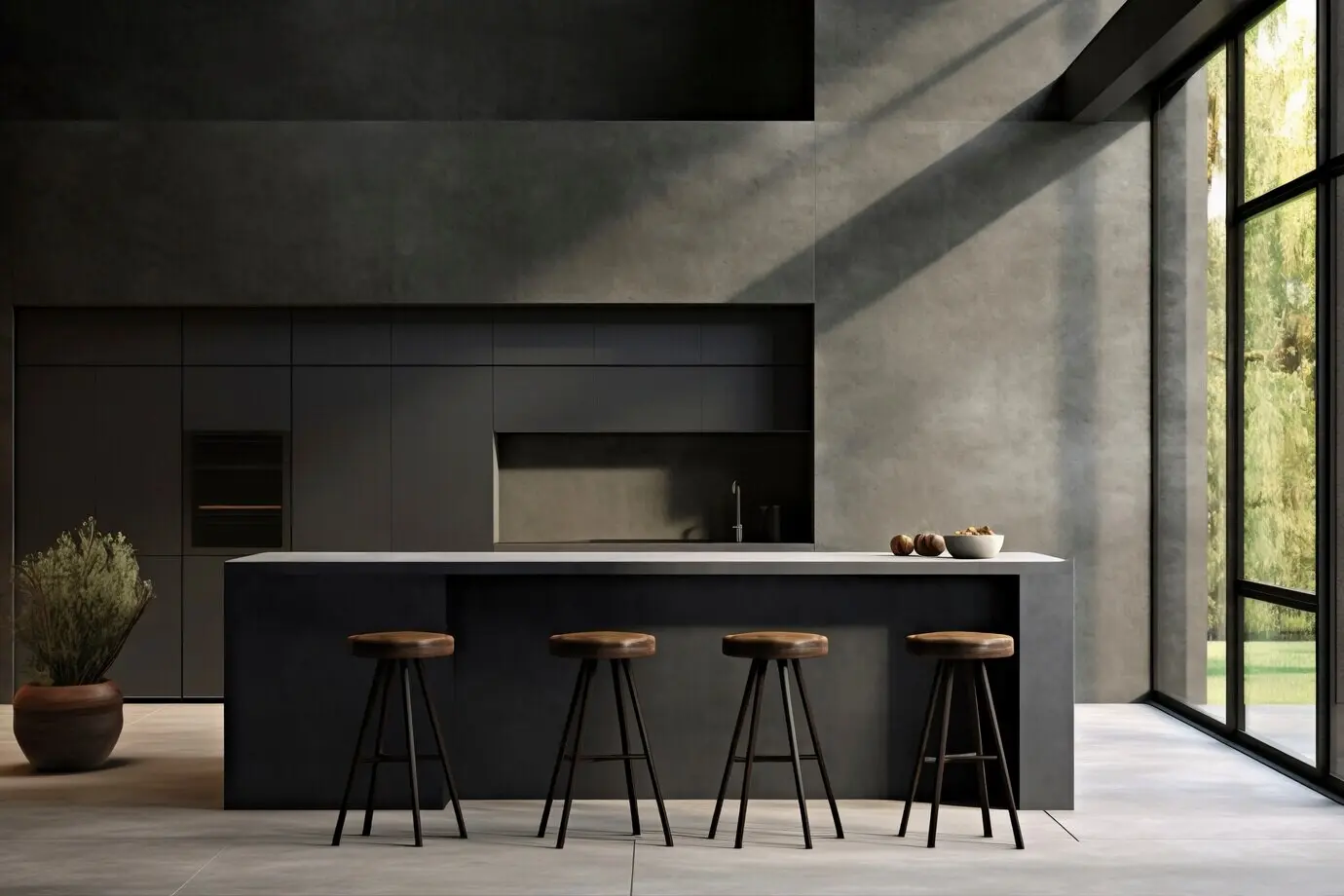

Materials That Whisper: Stone, Wood, and Textiles for Quiet Luxury

Today we dive into Material and Texture Guide: Stone, Wood, and Textiles for Quiet Luxury Interiors, translating it into tangible choices you can touch, see, and live with every day. Expect practical selection strategies, sensory insights, and small details that elevate calm spaces without shouting. We will explore finishes, grains, weaves, lighting, and care rituals, plus a few stories from homes where restraint and comfort coexist beautifully. Share your questions or photos of tricky corners, and subscribe to follow future deep dives as we refine understated elegance, one authentic material at a time.

Stone That Calms: From Honed Marble to Tumbled Limestone

Stone sets a grounded rhythm, balancing visual quiet with tactile presence. Honed surfaces diffuse light, subtle movement in veining guides the eye, and edges—eased or bullnosed—soften transitions between planes. We will consider durability, slip resistance, and maintenance habits that protect serenity rather than complicate life. Expect thoughtful comparisons of marble, limestone, travertine, and quartzite, along with real-life anecdotes from kitchens and bathrooms where patina became part of the story. By the end, you will know precisely how to select slabs and finishes that age gracefully and feel quietly luxurious under morning light.

Wood with a Whisper: Species, Grain, and Finish Choices

Wood introduces warmth and human scale. Species selection controls undertone, grain determines visual rhythm, and finish sets touch and glow. Oak offers quiet texture, walnut deepens with chocolate hues, and ash stays airy under pale oils. The right cut—rift or quarter—keeps lines consistent across cabinetry and floors for disciplined elegance. In this section, we trace comfort through boards and doors, discuss sheen levels that avoid glare, and share a story about a reading nook transformed by a modest change from polyurethane to hardwax oil.

Species Character: Oak, Walnut, Ash, and Beyond

European oak’s medullary rays create gentle shimmer that feels rich, not loud. Walnut reads intimate and contemplative, pairing beautifully with limestone and bouclé. Ash keeps rooms bright with a subtle grain that accepts pale finishes gracefully. Maple can skew yellow under some lights, so test undertones alongside stone and fabric. Consider regional availability for sustainability, and ask vendors about drying methods to minimize movement. The right species bridges seasons and trends, becoming a steady backdrop for art, textiles, and daily rituals that evolve with you.

Cut and Grain: Rift, Quarter, and Plain-Sawn Decisions

Rift-sawn boards display linear grain that calms cabinetry and long hallways, avoiding swirled patterns that can distract. Quarter-sawn adds lively flecking, elegant in panels or stair treads where subtle detail rewards close inspection. Plain-sawn offers warmth and economy, yet may read busier in minimalist rooms. Align grain direction thoughtfully around corners, and consider veneer sequencing for continuous flow. Small mockups reveal how shadows fall across grain at different hours. A disciplined grain strategy communicates intentionality, the hallmark of quiet sophistication.

Finish and Sheen: Touch Before You Decide

Matte oil finishes invite the hand, diffusing light and allowing micro-texture to breathe. Hardwax oil blends durability with reparability, ideal for family rooms and kitchens. Film-forming polyurethanes resist stains but can appear plasticky at high sheen levels, raising noise in otherwise restrained spaces. Sample boards under warm and cool bulbs to evaluate color shift and tactile feel. Consider maintenance rituals you can keep, not aspirational routines. The finish you choose should support daily grace, enabling patina to emerge slowly, beautifully, and confidently.


Textiles that Breathe: Weave, Hand, and Layering

Textiles soften acoustics, filter light, and invite touch. Linen slackens gently, wool steadies temperature, cotton offers approachable ease, and silk adds glimmer best used sparingly. Weave density changes drape; bouclé brings quiet tactility; cashmere throws anchor evening rituals. Layering different hand-feels creates depth without pattern overload. Here, we examine fiber blends, backing choices for drapery, abrasion ratings for upholstery, and the surprising serenity of well-proportioned pleats. We will also share a living room story where a single linen sheer corrected glare and transformed afternoon calm.

Natural Fibers: Honest Comfort and Seasonal Balance

Linen breathes and wrinkles elegantly, communicating ease rather than neglect. Wool resists wrinkles, insulates in winter, and releases heat in summer, making it ideal for upholstery and rugs. Cotton delivers universal comfort, readily washable yet enhanced by thoughtful weaves. Silk’s luminosity elevates small accents but dislikes strong sun. Consider blends for performance without plastic shine. When possible, choose yarn-dyed fabrics for lasting depth. A disciplined palette of naturals allows daylight to reveal nuanced shadows, creating softness that feels real, not staged, morning after morning.

Weave and Drape: From Basket Weave to Sateen

Basket weaves read substantial and grounded, perfect for sofas that anchor the room. Herringbone adds gentle motion without busy patterning. Sateen offers sleek hand, best balanced with matte neighbors like wool or brushed cotton. For drapery, fullness matters: two to two-and-a-half times width yields sumptuous lines that frame light rather than block it. Weighting the hem improves fall, while interlining adds body and insulation. Touch samples, then hang them temporarily to watch how they respond to shifting daylight, ventilation, and everyday movement.

Layering for Depth: Throws, Cushions, and Tuft Underfoot

Layering works when scale and hand are balanced. Pair a dense wool rug with a looser linen slipcover, then introduce a cashmere throw for temperature comfort and luxurious hand. Limit patterns but vary texture to keep interest alive. Use cushion inserts with higher down content for relaxed silhouettes that invite lingering. Edge details—flanges, blind seams, contrast piping—signal craftsmanship without noise. Start with a neutral base and add one tactile accent per zone. Share your experiments with us; we love helping refine combinations for real homes.

Color, Light, and Material Harmony

Quiet interiors rely on undertones aligning across stone, wood, and textiles. Cool gray marble next to yellowed oak can clash, while a neutral walnut bridges both. Test samples vertically and horizontally, under daylight and evening lamps, to predict shifts. Layer diffuse ambient light with targeted accents to graze stone and warm wood. Aim for soft contrast that reads sophisticated, not flat. In this section, we map a method for evaluating reflectance, temperature, and sheen so every surface contributes to cohesive calm.

Acoustic Comfort and Sensory Calm

Sound shapes perception as much as color. Hard planes bounce noise; textiles, rug piles, and upholstered panels absorb it. Wood ceilings soften reflections, while books and art add benign diffusion. Aim for a balanced RT60 so voices land gently and music wraps rather than pierces. We will explore underlay choices, curtain stack depths, and how bouclé or felt improves clarity. A brief townhouse tale shows how replacing a thin rug with wool plus felt underlay instantly lowered stress and invited longer conversations.

Quieting Hard Surfaces: Rugs, Runners, and Underlays

Layered rugs reduce footfall shock and echo. Choose dense wool with a high-quality felt or natural rubber underlay for comfort and stability. In corridors, runners prevent slap-back and add tactile warmth. Consider stair treads wrapped in flatweave for safety without bulk. Where stone is essential, introduce fabric wall panels or upholstered benches to catch reflections. Test by clapping and listening for decay time; adjustments should aim for swift, soft tails. Your ears will confirm when the room finally exhales.
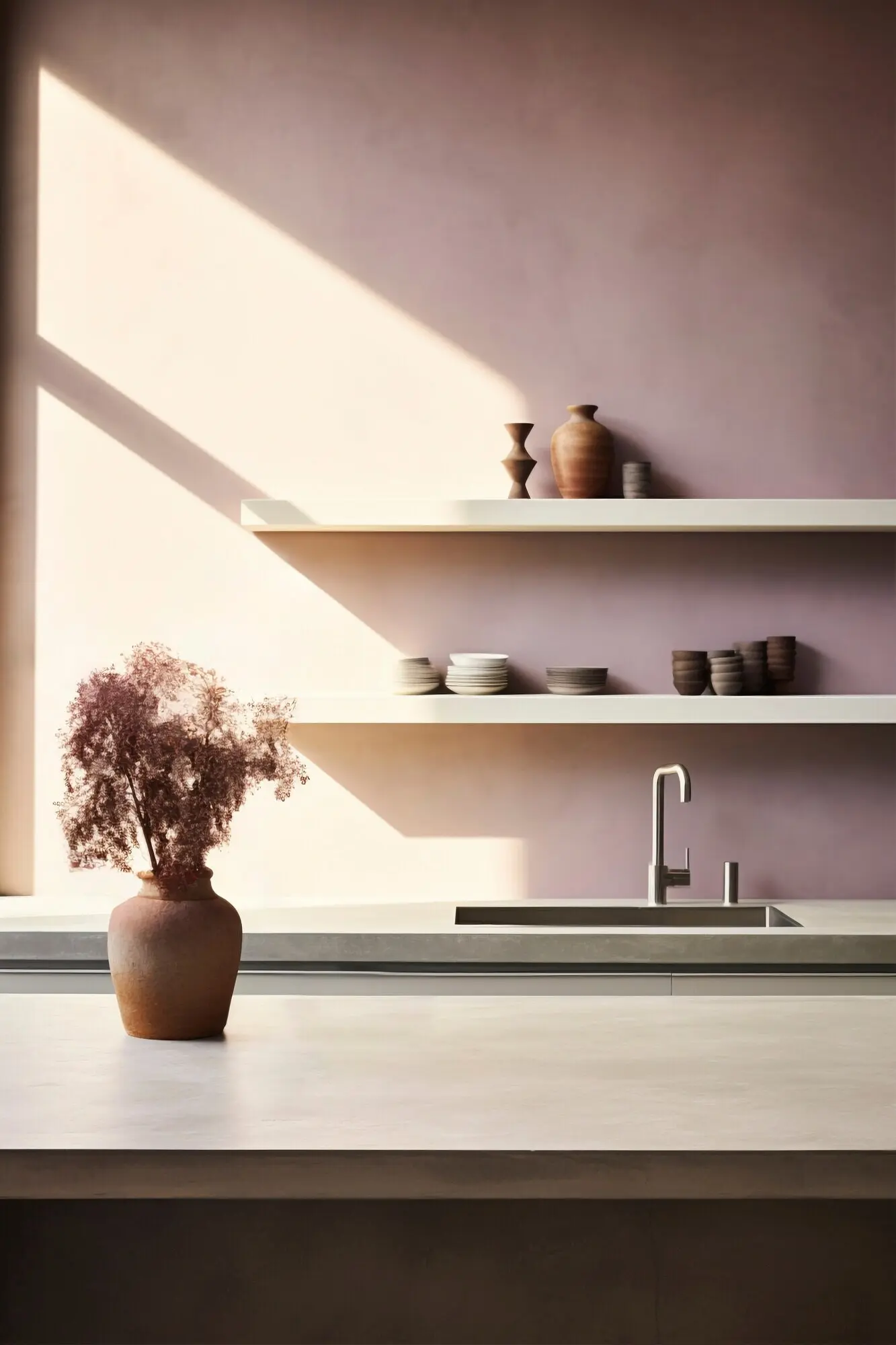
Soft Boundaries: Drapery, Sheers, and Upholstered Panels

Floor-to-ceiling drapery with generous fullness behaves like an acoustic curtain, taming flutter echoes between parallel surfaces. Sheers offer daylight control while still absorbing mid-to-high frequencies. Upholstered panels behind sofas or beds quietly refine dialogue intelligibility. Mix materials—linen, wool, and felt—to broaden absorption across ranges. Remember hardware matters: quiet tracks and soft returns maintain visual restraint. Measure from ceiling to floor precisely to avoid puddling where it’s unwelcome. Thoughtful fabric architecture yields comfort you feel immediately upon entering.

Footfall and Furniture: Felt, Glides, and Mass

Heavy furniture anchors resonance; lighter pieces can rattle unless stabilized. Fit chairs with felt glides to hush movement on stone or wood. Select sofas with substantial frames and spring systems that avoid squeaks. Under coffee tables, a dense rug pad prevents clicky contact, while bookshelves loaded thoughtfully act as helpful diffusers. For open-plan spaces, define zones with material shifts to interrupt sound travel. The goal is not silence, but a gentle hush that respects conversation and reflection.

Care, Longevity, and Responsible Sourcing

Enduring beauty comes from honest maintenance and ethical decisions. Select FSC-certified woods, trace stone provenance, and favor mills that publish environmental data for textiles. Build simple, repeatable care rituals—weekly dusting, seasonal oiling, annual sealing—that protect calm without demanding a schedule you cannot sustain. We will share supplier questions, spec tips, and a checklist for sampling that prevents mismatches. If this guide proves useful, leave a comment with your favorite sources or subscribe to receive updates as we continue refining quietly luxurious choices.

Daily Rituals: Small Habits, Lasting Ease

Place trays in splash zones, wipe spills promptly, and rotate cushions to even wear. Vacuum rugs using low suction and brushless heads, protecting fibers. Dust wood with soft cloths, then refresh with plant-based soaps or oils as recommended. For stone, keep a neutral pH cleaner on hand to avoid etching. Schedule quick monthly checks for loose hardware and felt pads. These micro-routines accumulate into relaxed longevity, keeping materials honest, touchable, and effortlessly elegant.

Ethical Choices: Transparency and Traceability

Ask for chain-of-custody documents on wood, quarry practices for stone, and third-party certifications for textiles. Favor local or regional suppliers to cut transport impact and improve communication. Choose finishes low in VOCs to protect indoor air, particularly in bedrooms and nurseries. Seek mills using renewable energy and responsible water treatment. When artisans are paid fairly, craftsmanship flourishes and pieces last longer. Your purchases become quiet votes for a future where luxury and responsibility are inseparable.

Testing before Committing: Samples that Tell the Truth

Order larger samples and live with them under real conditions: cooking steam, morning sun, children’s fingerprints, and pets’ curiosity. Spill coffee on stone chips, rub oil into wood offcuts, and stretch fabric swatches over cushions to assess recovery. Photograph results to compare later. Keep a labeled archive to accelerate future decisions. Sampling reduces regret, aligns expectations, and ensures every surface supports your calm. Share your test results with our community—collective wisdom speeds beautiful, confident choices.
Tuvarokaruvuxuzi
Privacy Overview

This website uses cookies so that we can provide you with the best user experience possible. Cookie information is stored in your browser and performs functions such as recognising you when you return to our website and helping our team to understand which sections of the website you find most interesting and useful.