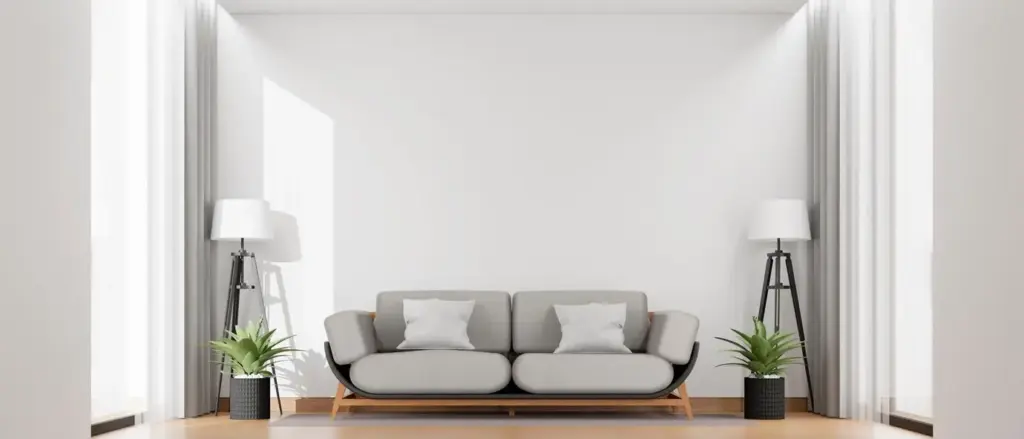
Quiet Luxury in Small Spaces, No Renovation Required

Step into a restful, elevated way of living where every detail matters. We’re exploring Quiet Luxury in Small Spaces: Elegant Apartment Upgrades Without Renovation, turning compact rooms into indulgent sanctuaries through texture, lighting, composition, and considered rituals. From cashmere throws to layered lamps and museum-worthy styling, discover renter-friendly moves that feel measured, timeless, and deeply personal, proving sophistication doesn’t require construction, only intention, careful curation, and a whisper-soft point of view you refine over time and share with kindred spirits.

Material Stories That Feel Like Calm

True quiet luxury begins with honest materials that age gracefully, invite touch, and visually soften tight floor plans. Think linen, wool, solid wood, honed stone, and handcrafted glass that catch light gently instead of shouting. In small apartments, fewer but richer textures create presence without clutter. Share your favorite tactile detail in the comments, subscribe for weekly mood boards, and build a vocabulary of finishes that makes even a studio feel composed, grounded, and deeply welcoming.

Tactile Layers You Want to Reach For

Choose materials that reward daily use: a cashmere or merino throw that drapes elegantly, a nubby bouclé pillow that breaks up flat surfaces, a heavyweight linen tablecloth that pools softly. Prioritize hemmed edges, generous scale, and subtle tonal variation. Rotate pieces seasonally, storing extras neatly to keep the room breathing. Notice how these textures absorb noise, catch late-afternoon light, and quietly signal care. Invite guests to touch; true refinement often begins in the fingertips.

Understated Sheen, Not Shine

Swap glaring chrome for brushed nickel, unlacquered brass, or burnished bronze hardware using only a screwdriver and careful measurements. The softened glow pairs beautifully with natural fibers and aged wood, reflecting light like candle flame rather than a spotlight. Replace a few cabinet pulls, lamp finials, or even frame stands. Over time, patina appears, telling a story construction cannot fabricate. Share before-and-after impressions with our community; you’ll be surprised how a small glint transforms the mood.

Stone, Wood, and Glass With Soul

Introduce a honed travertine tray for keys, marble coasters by the bed, or a small soapstone bowl for matches. Add a single vintage wood stool that doubles as a side table, and a mouth-blown glass vase that distorts stems into painterly silhouettes. These pieces create grounding moments without visual noise. Place one near an entry, one by a reading chair, and one on a shelf, forming a gentle rhythm that feels curated yet alive and easy.

Light That Flatters Every Square Foot

Lighting is the most transformative, non-invasive upgrade available. Layer ambient, task, and accent sources to sculpt coziness and volume. Use warm bulbs, translucent shades, and plug-in dimmers for precise control without calling an electrician. Position light to graze textiles, skim artwork, and reflect softly off pale walls. Add votives or a single candle for evenings. Share your favorite color temperature and lamp placement below, and subscribe for our printable checklist of bulb types, lumens, and shades.

01

Layer the Glow in Three Simple Moves

Start with a soft overhead or tall floor lamp for ambient light. Add a table lamp near seating for task clarity. Finish with a petite accent lamp or picture light to shape depth on shelves. Place them at different heights so shadows feel intentional, not accidental. If your space is tiny, use slender profiles and linen shades to keep sightlines open. A single mirror opposite a lamp doubles the glow, creating unexpected volume without a single hammer swing.

02

Color Temperature, Explained Softly

Choose 2700K to 3000K bulbs for a flattering, residential warmth that flatters skin and materials. Mix color temperatures only with intent, saving cooler light for desks or vanity mirrors. Dimmer-enabled bulbs allow micro-adjustments morning to evening. If a fixture feels harsh, swap the shade to linen or parchment and lower lumen output slightly. Keep spare bulbs labeled in a box, so replacements never mismatch. In comments, tell us which bulb finally made your living room feel like evening.

03

Candles, Mirrors, and Gentle Spark

Use candlelight sparingly but intentionally: a single beeswax taper during dinner, a small votive by the bath, or a scented pillar near a reflective tray. Position mirrors to bounce warm light rather than glare at windows. A bevel, antique finish, or rounded edge softens reflections elegantly. Try a petite crystal or glass object on a shelf to catch glimmers at dusk. Share a snapshot of your favorite nighttime corner; we’ll feature selected reader moments in our weekend newsletter.

Palette, Negative Space, and Composition

A restrained palette creates calm, while negative space gives small rooms dignity. Anchor with nuanced neutrals, then layer one or two complex hues drawn from art, textiles, or nature. Compose shelves like quiet stories, leaving gaps for breath. Group by material, tone, and height rather than category. Curate odd numbers for visual rhythm. Comment with your current palette and we’ll suggest an accent color, plus a simple three-step styling routine to refresh shelves or nightstands without buying anything new.

The Quiet Palette That Breathes

Begin with warm whites, mushroom, oatmeal, and soft taupe to unify sightlines. Add depth using charcoal linen, olive velvet, or ink-blue ceramic. Keep bold saturation at small doses: a book jacket, a small bowl, a throw border. Repeat colors across the room for cohesion. Use plant greens to avoid sterile monotony, selecting gentle textures like ficus or olive branches. Unplug visual clutter by containing remotes and cords in fabric boxes. Share your two anchor tones and receive tailored mix suggestions.

Edit With Empathy, Not Austerity

Editing is about elevating what you love, not stripping life away. Remove duplicates, mismatched plastics, and tired placeholders, then reintroduce objects with purpose. Hold a piece and ask how it contributes: texture, memory, proportion, or quiet humor. Display fewer items at larger scale to stabilize small rooms. Rotate keepsakes seasonally so nothing gathers dust or resentment. Tell us the hardest item you edited out; our community will offer compassionate ideas for honoring its story without visual overwhelm.

Textiles That Do the Architectural Work

Drapery, rugs, and bedding can behave like architecture when square footage is limited. Hang curtains high and wide to elongate windows. Choose solid, generous rugs to anchor zones. Layer bedding with breathable, weighty materials for hotel-level stillness. Even towels and robes influence how mornings feel. None of this requires drilling or demolition, only thoughtful measurements and modest upgrades. Tell us your window width and rug size, and we’ll help you pick proportions that quietly flatter the room.

Scent, Sound, and the Ritual of Arrival

Quiet luxury is as much about how a home feels as how it looks. Establish a signature scent with nuanced notes like cedar, iris, or fig. Dampen noise using felt pads under furniture, fabric boot trays, and plush textiles. Build a gentle soundtrack at 60–70 BPM to cue unwinding. None of these require tools, yet they transform evenings. Share your preferred notes and favorite songs; we’ll send a curated playlist and diffuser guide to subscribers this Friday.

Choose a Signature Scent With Memory

Test fragrance families in daylight: woody, mineral, herbal, or soft floral. Layer a reed diffuser for background, a candle for occasions, and a linen spray for bedtime. Place diffusers near circulation paths so scent brushes past, not floods. Rotate by season—green fig in spring, amber cedar in winter—using amber glass bottles for cohesion. Tell us a scent that recalls a place you love; we’ll help translate that memory into a subtle home blend that lingers kindly.

Quiet the Clatter Without Tools

Add felt pads to chair legs, soft-close adhesive bumpers to cabinet doors, and wool rugs to high-traffic zones. Use fabric bins to muffle echoes on open shelves. Line catchall trays with suede or cork so keys land gently. Choose soft cotton slippers for arrivals and store them in a woven basket by the door. Share your building’s noise quirks and we’ll crowdsource renter-friendly fixes from readers who’ve tamed radiators, hallway echoes, and late-night elevator rattles gracefully.

Art, Books, and Meaningful Display

Buy art you want to live beside for years, even if it starts as postcards or small prints. Choose natural frames—oak, walnut, or slim black—with linen mats for simplicity and depth. Vary orientation to add movement. If walls are off-limits, lean pieces on shelves or consoles and secure with clear museum putty. Tell us your favorite subject matter and budget; we’ll recommend sources and framing tricks that feel bespoke without custom prices or complex installation.
Use a small stack of hardcover books to lift a lamp or bowl, creating different elevations that look curated. Add a slender easel stand for a petite painting or photo. Alternate vertical and horizontal lines to avoid stiffness. Keep spines within a controlled palette for visual calm. If storage is tight, rotate books seasonally and store the rest under the bed in breathable boxes. Share your top three titles; we’ll publish a reader-curated, beautifully paced reading list soon.
Picture ledges secured with removable strips, freestanding screens for clipping photos, and large frames leaned safely against walls allow expressive arrangements without hardware. Use non-slip pads under frames, and keep lean angles subtle for stability. Arrange by tone and subject, not just size, so the composition feels intentional. Swap a single piece monthly to refresh energy. Post your drill-free display in the comments; we’ll offer layout sketches and proportion notes tailored to your room’s measurements.
Tuvarokaruvuxuzi
Privacy Overview

This website uses cookies so that we can provide you with the best user experience possible. Cookie information is stored in your browser and performs functions such as recognising you when you return to our website and helping our team to understand which sections of the website you find most interesting and useful.